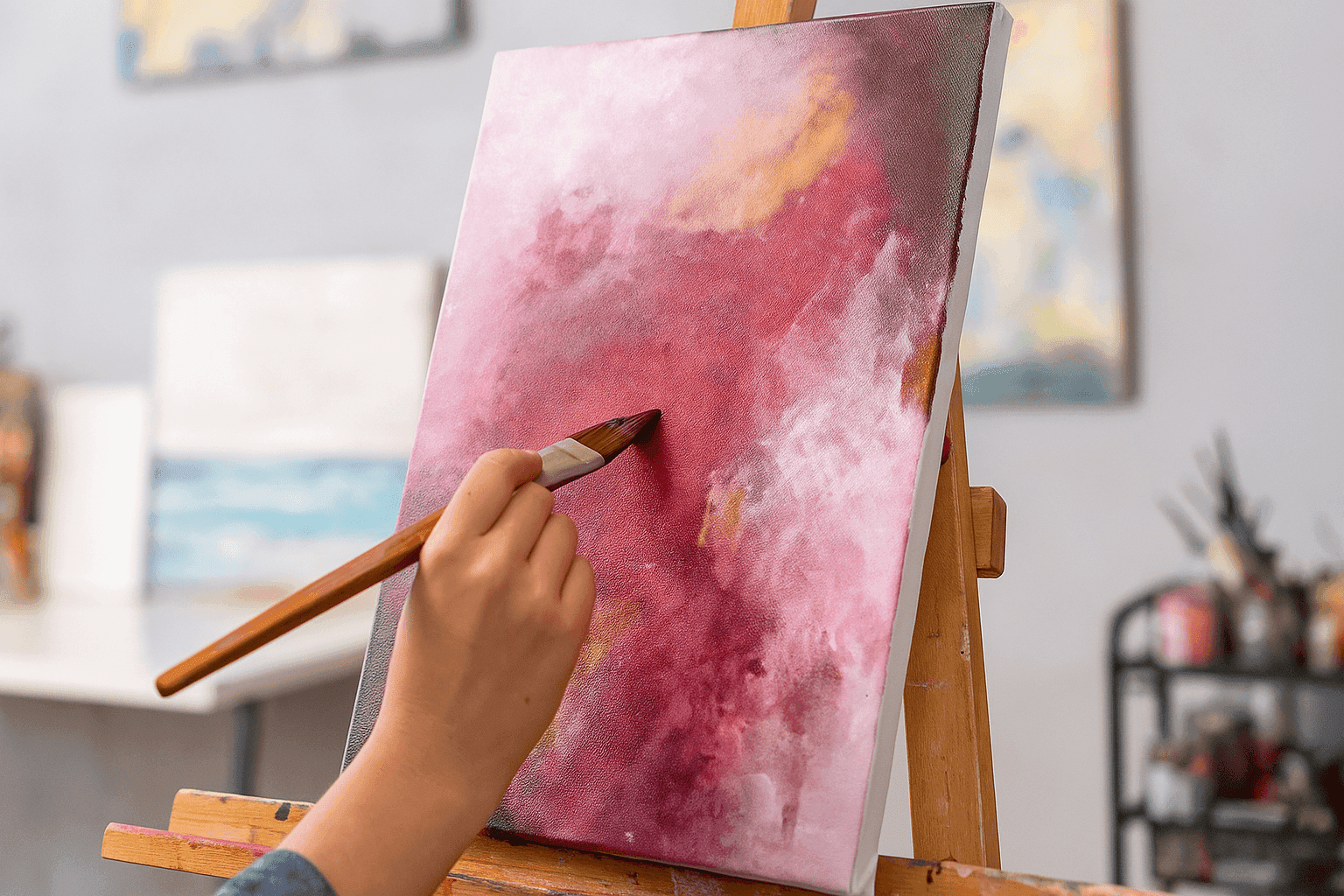
Abstract Painting - Quick Guide
Have you ever stood in front of an abstract painting and thought, ‘What is this supposed to represent?’ or ‘I could definitely do that’?
In fact, there is much more to abstract painting than meets the eye. It is free, emotional and sometimes a little unpredictable – which is exactly what makes it so fascinating.
At heycreate, we show you how to embark on this creative journey without pressure and without any prior knowledge.
What is abstract painting?
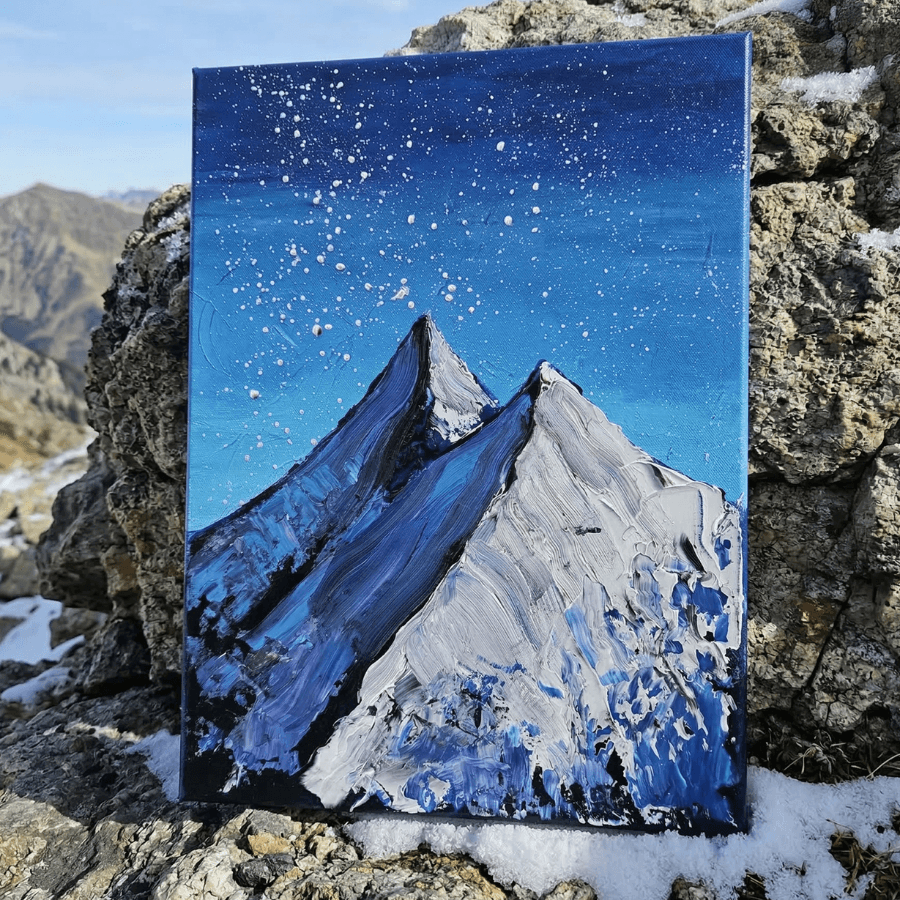
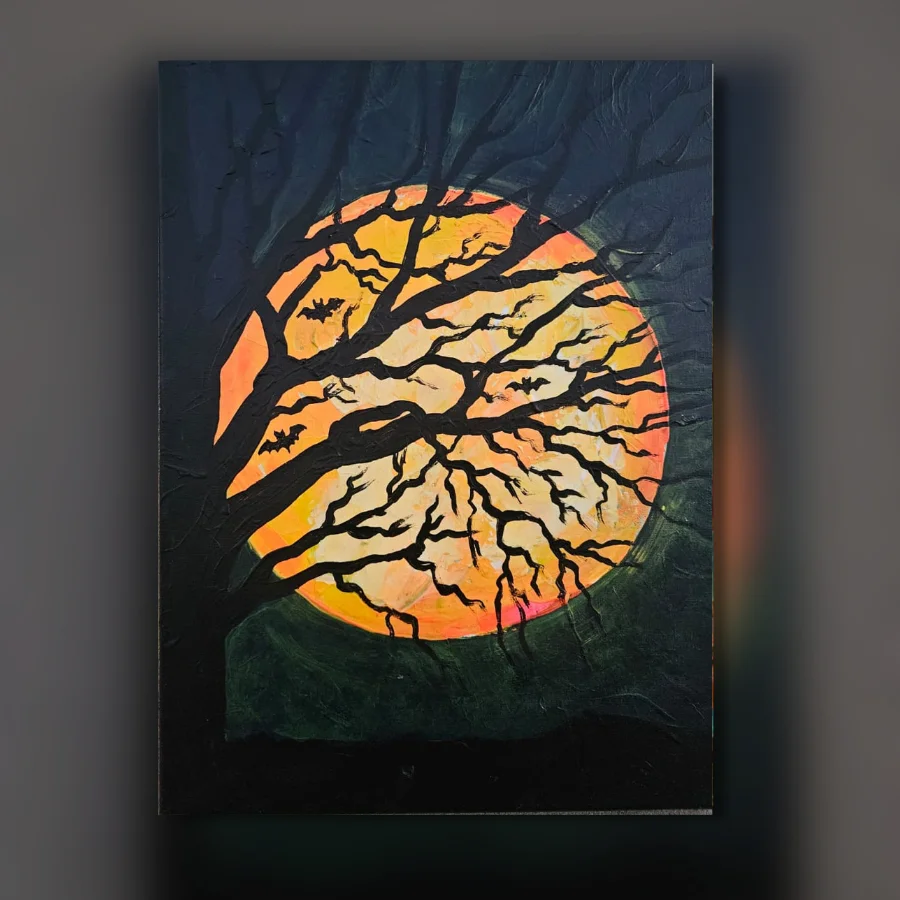
Abstract art means letting go. Instead of depicting things realistically, it's about expressing moods, energies or feelings with colour and form. No motif, no ‘right’ or ‘wrong’ – just you, your brush and what emerges.
Abstract painting originated in the early 20th century. Artists such as Wassily Kandinsky and later Jackson Pollock broke with the rules of classical art. They left reality and perspective behind and discovered that colour itself can be an expression. Even today, abstract painting means surprising yourself. And the best way to do that is to just get started.
Are you interested in a heycreate painting event?
Then grab your spot at one of our upcoming events. Because sometimes the best souvenir isn't a photo, but your own painting.
Why we love acrylic at heycreate
We use acrylic paints at our painting events – and for good reason.
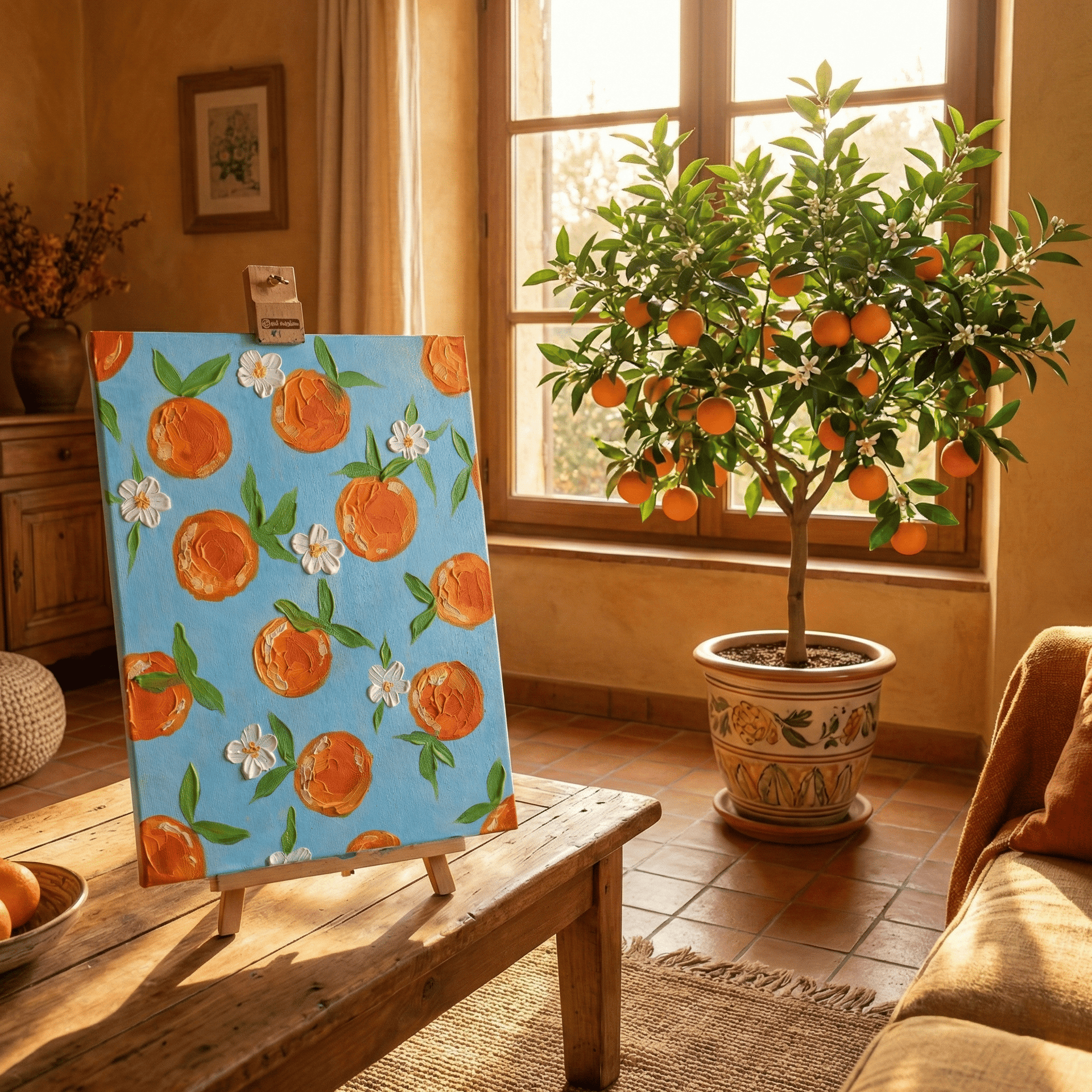
Acrylic dries quickly, is easy to paint over and can be both opaque and transparent. This makes it perfect for building up layers, creating textures or adding bold contrasts.
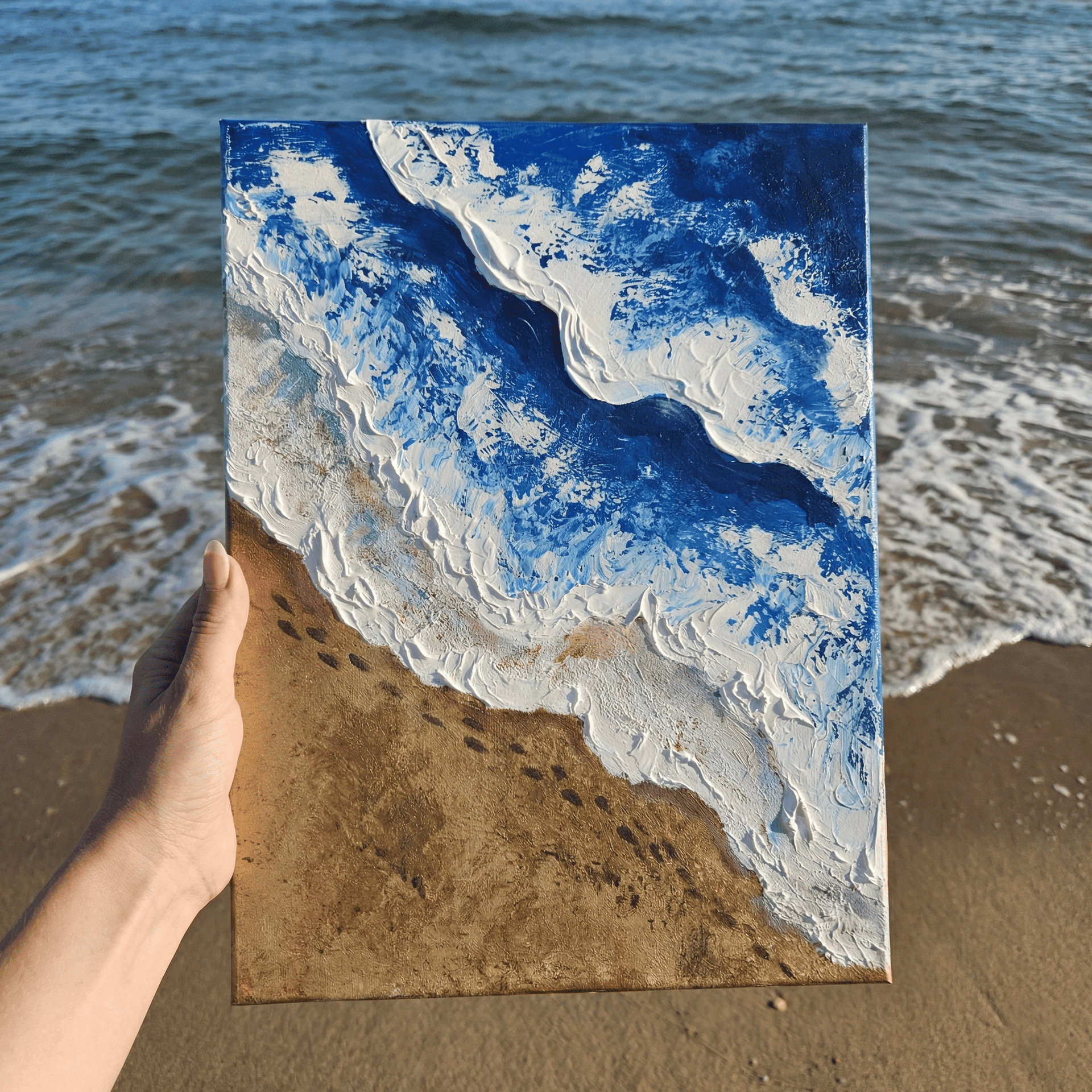
Whether you prefer to use a palette knife, spray, scratch or work with a brush – acrylics can do almost anything. And if you don't like a stroke, just let it dry and paint over it.
How to prepare for abstract painting
Before you start, lay out everything you need: paints, brushes, perhaps a palette knife, some newspaper for covering surfaces – and old clothes that can get paint on them. Abstract painting also means letting go – and it's okay if it looks a little chaotic.
Tip: Think about a colour scheme that appeals to you in advance. Perhaps your interior design style, your favourite colour or a certain feeling will inspire you. You can also quickly find harmonious combinations on Pinterest or colour palette generators. But this moment is the most important one. From then on, the picture begins to ‘speak’ to you. You react, paint over, change – and eventually something emerges that feels right. If you are unsure, take a step back. Stand up, take a few steps back and look at it from a distance. Feel free to turn it around.
There is no wrong way to paint
Many people who paint abstractly for the first time hesitate before making their first brushstroke. But this moment is the most important one. From then on, the picture begins to “speak” to you. You react, paint over, change – and at some point, something emerges that feels right. If you are unsure, take a step back. Stand your picture up, take a few steps back and look at it from a distance. Feel free to turn it upside down. Sometimes a work suddenly looks perfect when turned on its head.
Materials and tools for your style
Abstract art thrives on experimentation. In addition to classic brushes, you can use almost anything that leaves marks:
- Spatulas or trowels
- Sponges, rags or napkins
- Straws for blowing
- Old credit cards for lines
- Cotton buds, cups, adhesive tape
The more unusual, the more exciting the structures!
Get creative at the heycreate event
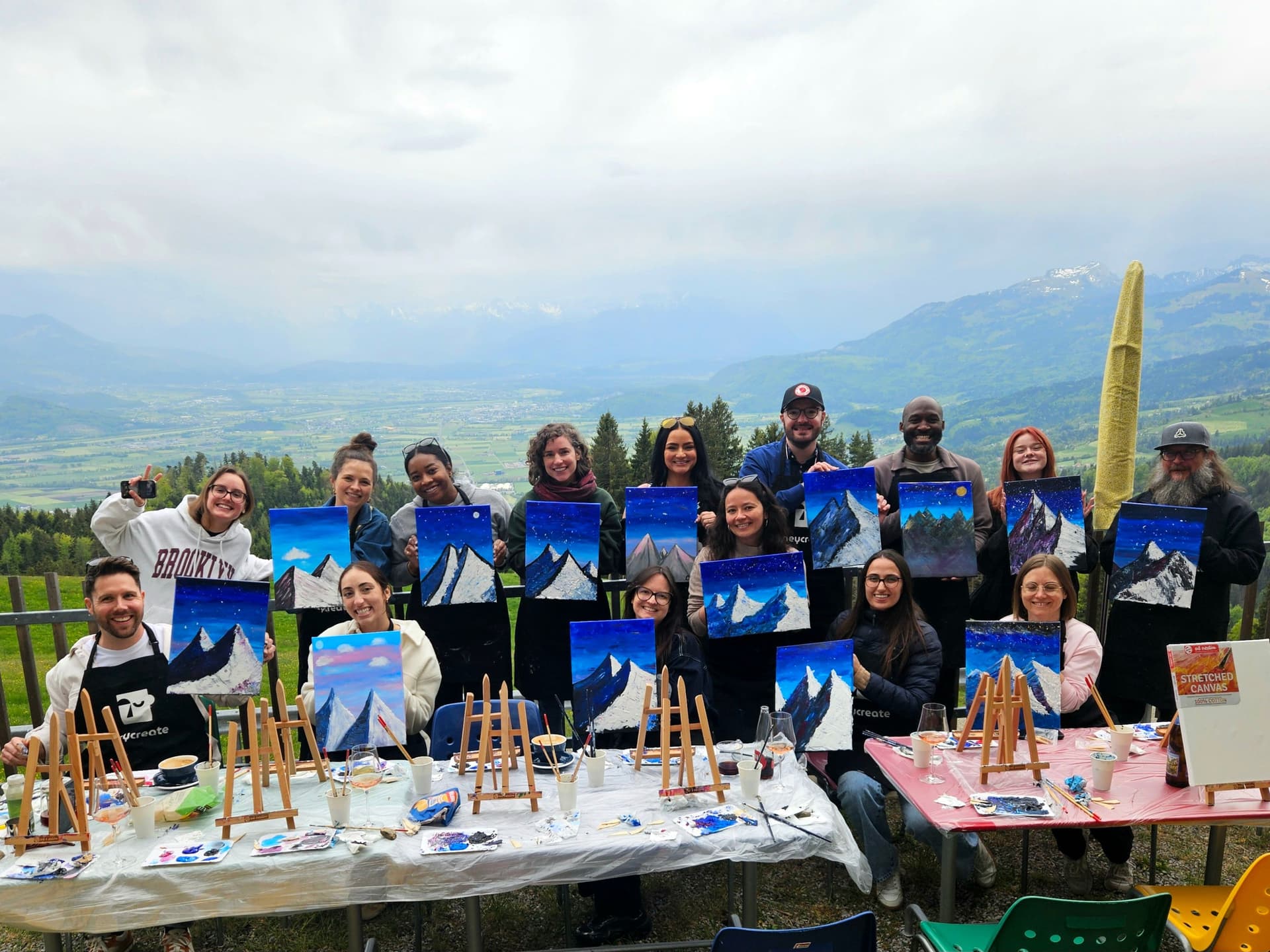
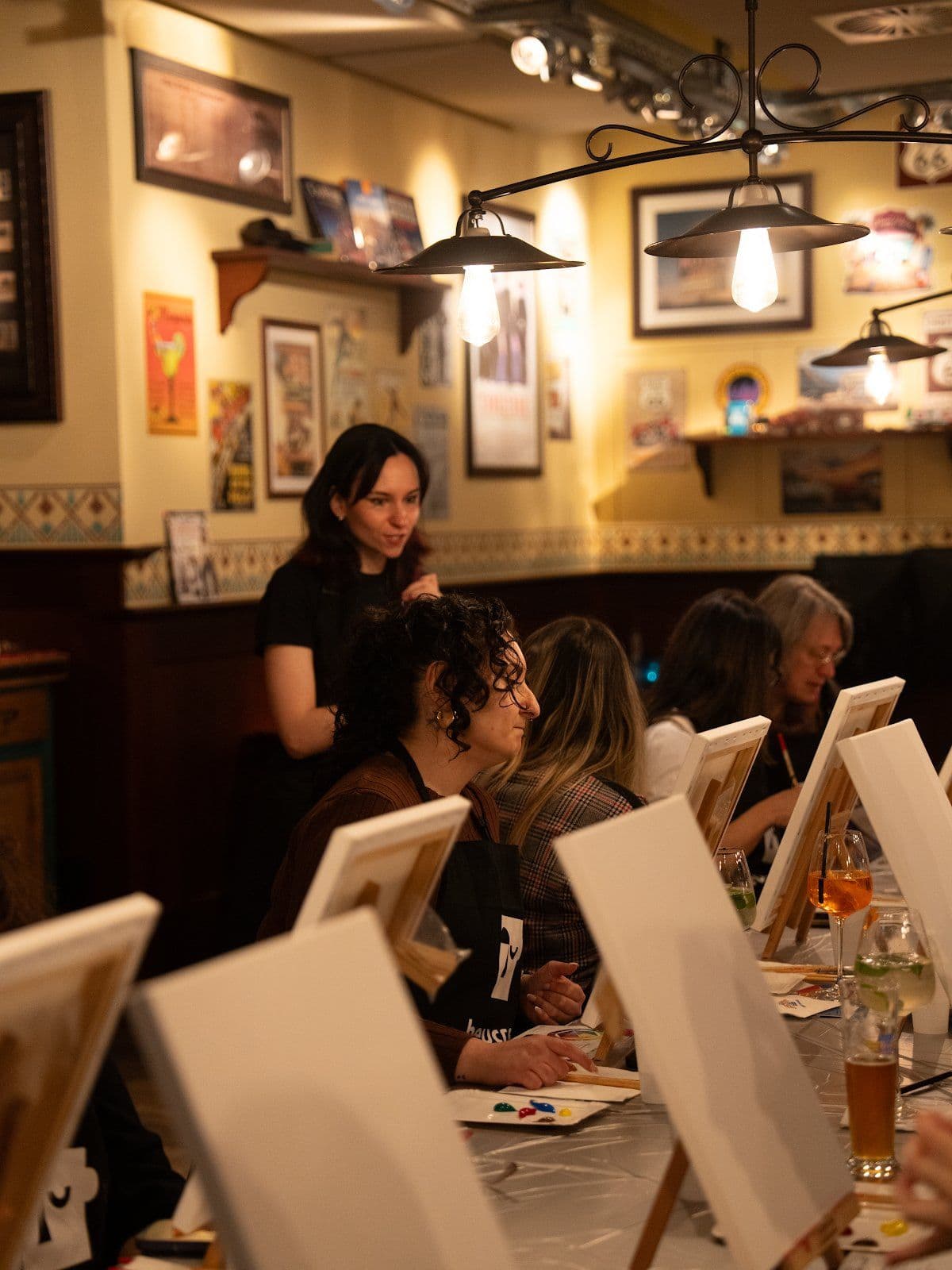
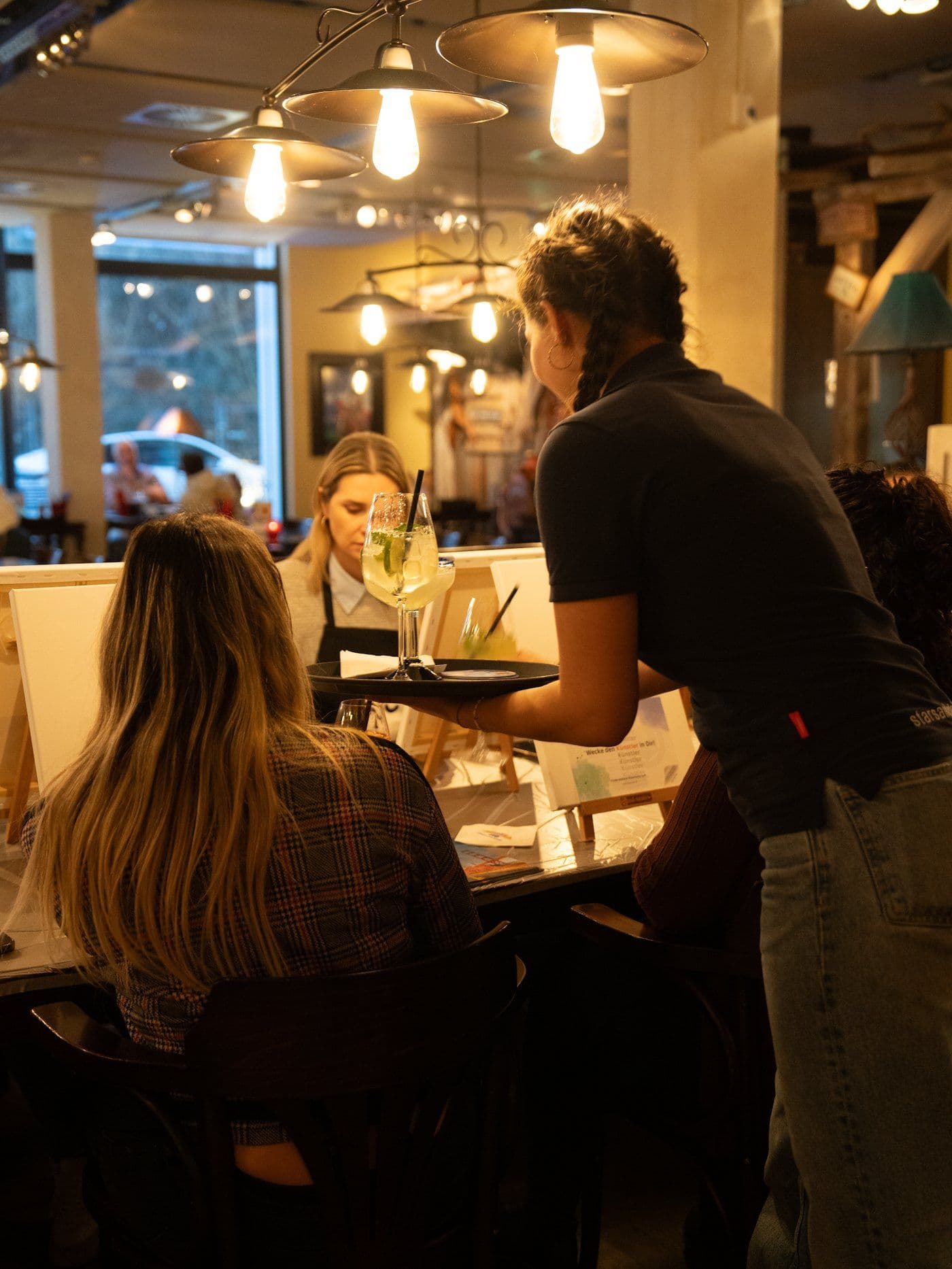
Painting abstractly means letting yourself drift. And that's exactly what you'll experience at a heycreate painting event – in a relaxed atmosphere, with music, drinks and an artist who will guide you step by step. It's not about perfection, but about fun, expression and inspiration. You'll be surprised what emerges on your canvas when you just let go.